Roof Hatch Sizing Guide For Equipment Hoisting
2 min read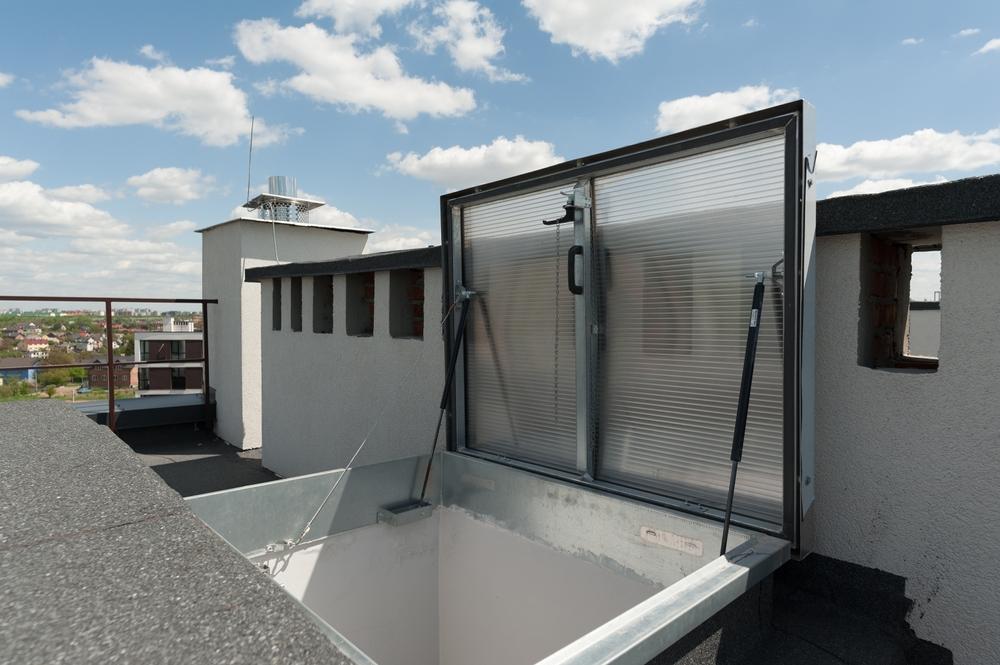
Roof hatches provide safe access for maintenance, but they’re also vital for hoisting heavy equipment and materials. The wrong size can lead to delays, safety hazards, and costly damages. This guide will walk you through how to properly size your roof hatches for equipment hoisting.
Get the right measurements:
Precise numbers are the key to a good fit for any gear. Measure the widest part of the equipment and add extra space on all sides. This extra room allows for hands and straps to move during the lift. If the fit is tight, the risk of scratching the machine or the frame increases. Always double check the height of the gear to ensure it clears the lid easily.
Consider the swing path:
The lid of the hatch needs space to open fully without hitting other objects. Some lids open to ninety degrees while others fold back further. Check if wind might catch the lid while you are hoisting gear inside. A lid that stays open securely keeps the work area safe for everyone. Ensure the opening mechanism does not block the path of the crane cable.
Choose strong materials:
Heavy gear can bump into the sides of the frame during a lift. Strong metal frames handle these small hits better than thin materials. Steel is a common choice for strength but aluminum is great for resisting rust over time. A thick frame keeps the shape of the opening true even under pressure. Insulation inside the lid also helps keep the building temperature steady when the hatch is shut.
Check the weight limits:
The roof must support the weight of the hatch and the people working near it. Some hatches are built to handle extra weight from snow or maintenance crews. Look at the load ratings to see if the frame can support the tools used during hoisting. A weak frame might bend if a heavy part rests on it for a moment. Safety ratings help you pick a model that lasts for many years.
Look at safety features:
Safe hoisting needs more than just a big hole in the ceiling. Railings around the opening prevent falls while the hatch stays open. Grates can also be added to provide a walking surface that stays in place. Handles on the inside and outside make it easier for crews to move around. Good locks keep the building safe from outsiders once the equipment is inside.